Script
$0.03868 words, written to be spoken rather than read.
Read it
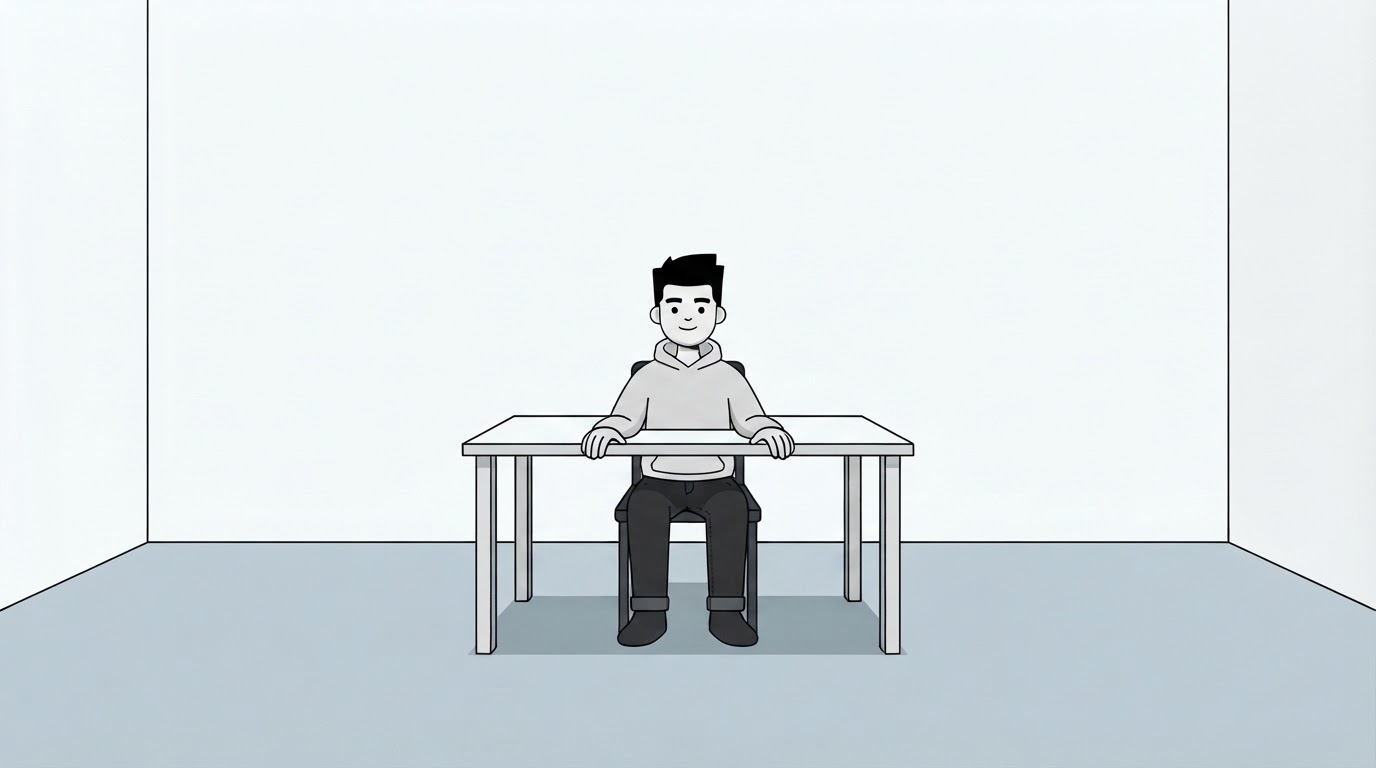
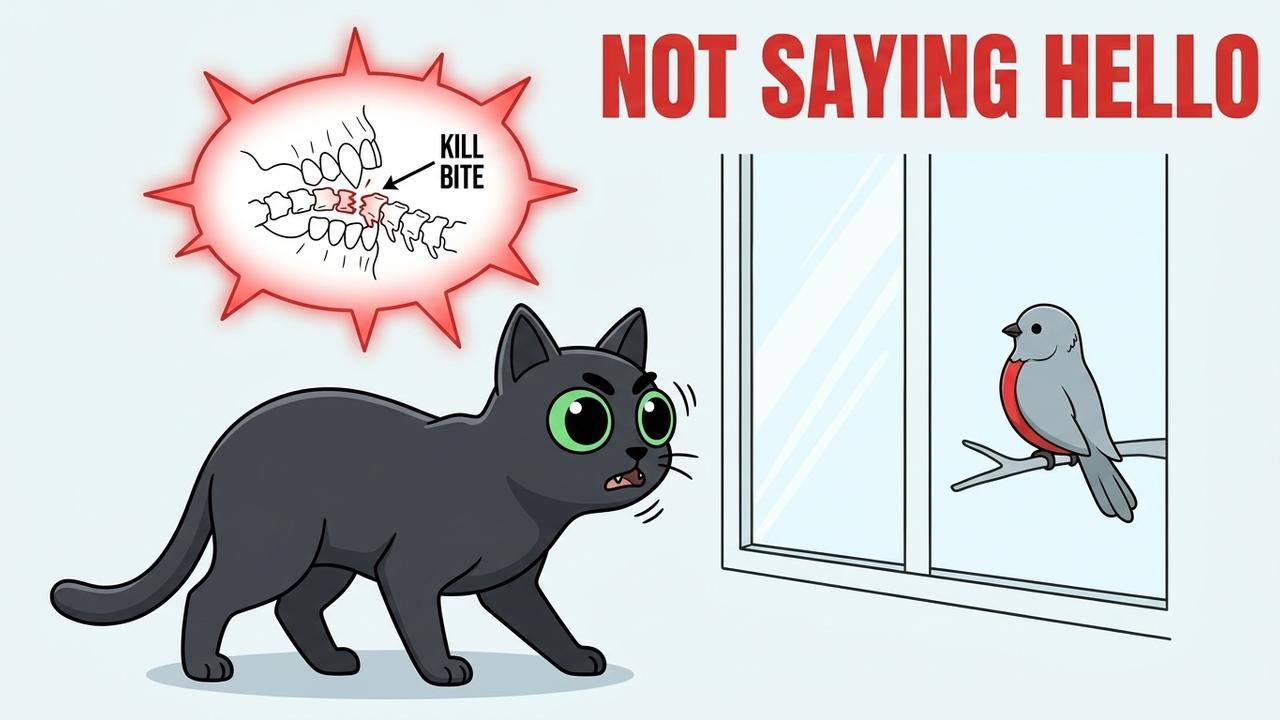
You are sitting at your desk, minding your own business. Maybe you are typing an important email, or perhaps you are just enjoying a fresh, hot cup of coffee. Then, your cat hops up onto the table. They slowly walk over to your favorite mug. They stop. They lock eyes with you, unblinking. And then, with the calm, casual swipe of a single paw, they send that mug crashing to the floor. It is one of the most universally infuriating moments of pet ownership. It feels completely deliberate. It feels personal. It feels like your cat is doing it purely out of spite just to make you mad. But the truth behind this bizarre feline behavior is actually rooted in science, survival, and a brilliant psychological game that your cat has been playing with you since the day you brought them home. Let us decode exactly why your cat stares into your soul while destroying your belongings, and more importantly, how you can actually get them to stop. First, we have to clear the air about one major misconception. Your cat is not being malicious. Cats do not possess the complex human emotion of spite. They are not plotting your downfall or trying to get revenge because you were five minutes late with their breakfast. Instead, this behavior comes down to two primary drivers: deeply ingrained hunting instincts, and a masterful understanding of how to get your attention. Let us look at the hunting instinct first. To understand your fluffy couch potato, you have to remember that they are biologically wired as apex predators. In the wild, a cat relies on its highly sensitive paws to explore the world. When a cat bats at an object, they are testing it. They want to know if it is alive. A mouse or a bug might freeze and play dead when confronted by a predator. A quick, sharp tap with a paw is a cat's way of checking if that object will suddenly scurry away. Your lip balm, your favorite pen, or that expensive glass of water might look inanimate to you, but to your cat's ancient DNA, these are potential prey hiding in plain sight. They paw at these items to see if they will react like prey. The fact that the object falls off the edge and makes a fascinating clattering sound on the floor is just a bonus physics experiment that satisfies their curiosity. But what about the stare? Why do they have to look you dead in the eye while they do it? That is where the second driver comes in, which is attention. Cats are absolute masters of operant conditioning. Without you even realizing it, your cat has trained you. Think about what happens every single time they knock something off the table. You jump up. You shout their name. You rush over to pick up the item or clean up the mess. To a cat, especially an indoor cat who might be feeling a little bored or under-stimulated, negative attention is still attention. When they lock eyes with you and slowly extend that paw, they are essentially saying, I know exactly which button to push to make you interact with me. The eye contact is them waiting for your inevitable reaction. It is a highly effective, learned behavior. They knocked something over once, you gave them a big reaction, and they took notes. So, how do you break this cycle of destruction and save your fragile items? The most effective immediate response is actually no response at all. When your cat locks eyes with you and pushes that pen off the desk, you have to ignore it. Do not yell, do not jump up, and do not make eye contact. If you remove the exciting reaction, the game loses its appeal. But simply ignoring the behavior is not enough, because you also need to address the underlying boredom and instinct. You can redirect this energy by giving them a better outlet for their predatory drive. Keep your tables clear of tempting clutter, and instead, invest a few minutes each day into dedicated, interactive playtime. Use a feather wand or a laser pointer to let them stalk, pounce, and bat at something that is actually meant to be hunted. If you tire them out physically and mentally before you sit down to work or relax, they will have no desire to test the gravity of your coffee mug. Providing a high cat tree or a dedicated shelf near your workspace can also help. Often, cats jump on your desk because they want to be near you and survey their territory. If they have their own designated spot that is higher and more interesting than your desk, they are much less likely to clear off your workspace. Understanding your cat's behavior changes the entire dynamic of your relationship. They are not little villains trying to ruin your day; they are just incredibly smart, instinct-driven animals trying to engage with their world and with you. If you found this breakdown helpful and want to learn more secrets about what your cat is secretly thinking, make sure to hit that subscribe button and check out our other videos.